An Ecology of Gullah Geechee
Memory Along the Coast
V. Art & Living Traditions
In every community, there are sounds, stories, and traditions that refuse to fade.
They live on in language, traditions, and the landscape. They shape how we see home — and how we imagine the future.
Cultural expression is more than art.
It is survival, identity, and the bridge between what was, what is, and what will be.
Speaker Map
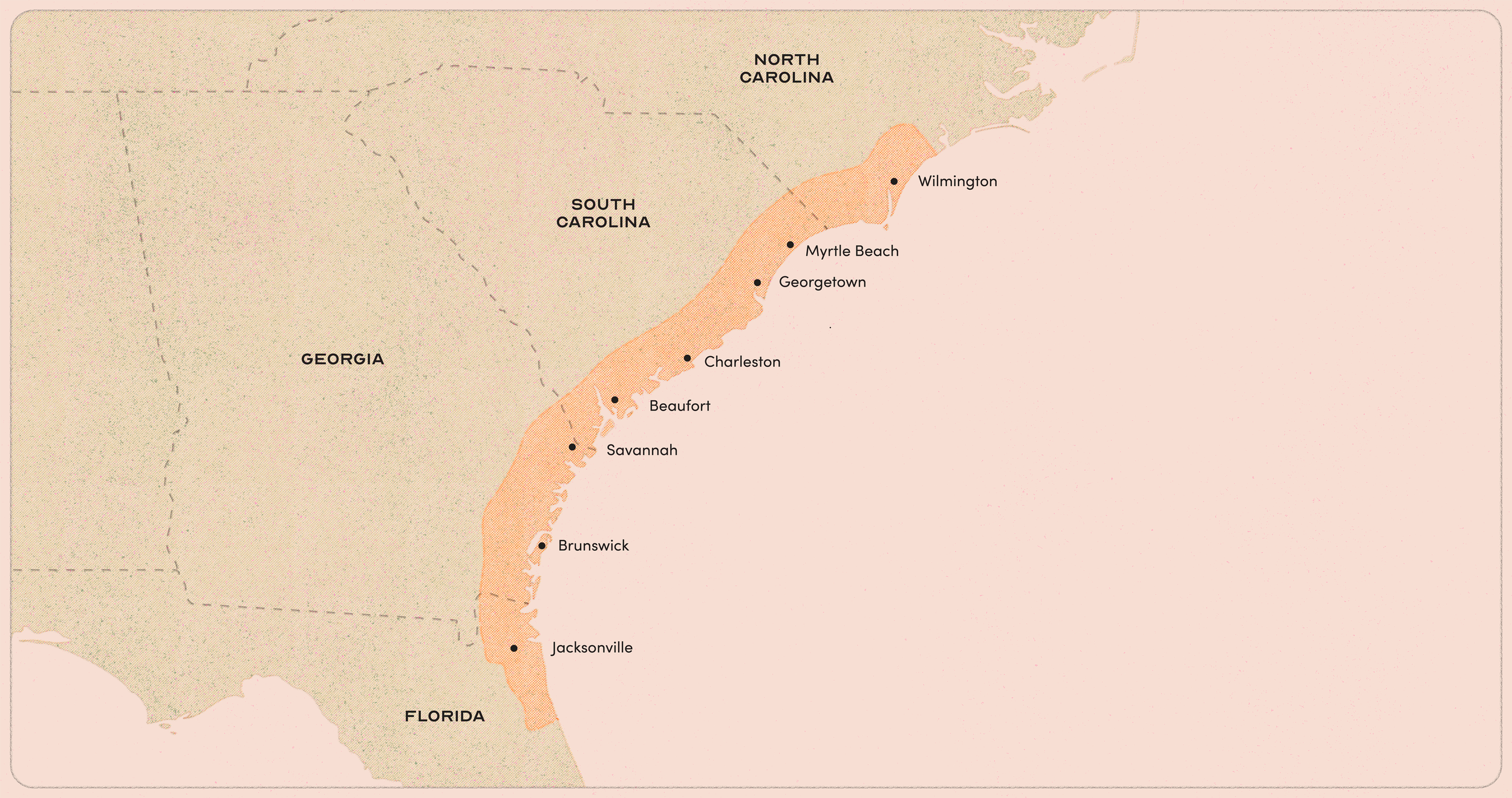
Hover & Click the speaker’s name to explore their story.
Mahoganee Amigér — Walterboro, SC
-
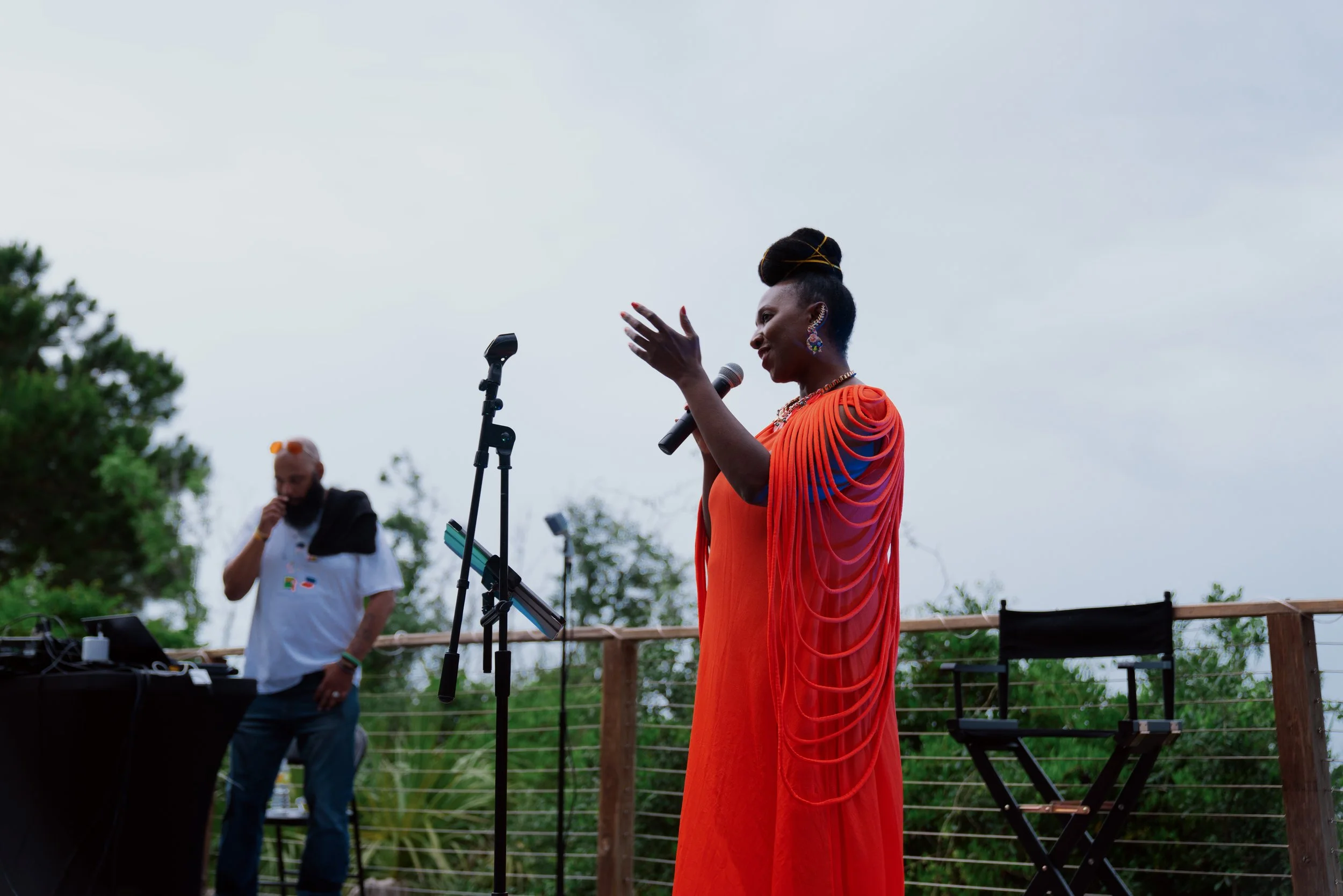
Mahoganee Amigér
“My name is Mahoganee Amigér.
And for titles—today my titles are, I believe, I'm a musician first, and then the interdisciplinary work comes within the music. As an artist who is a visual mixed media artist, as well as the poetry and the photography—that all comes from the music.
We are certified teaching artists, but we're just Black humans wanting to just be happy. If I can simplify it, right?”
-
The Perfect Phrase
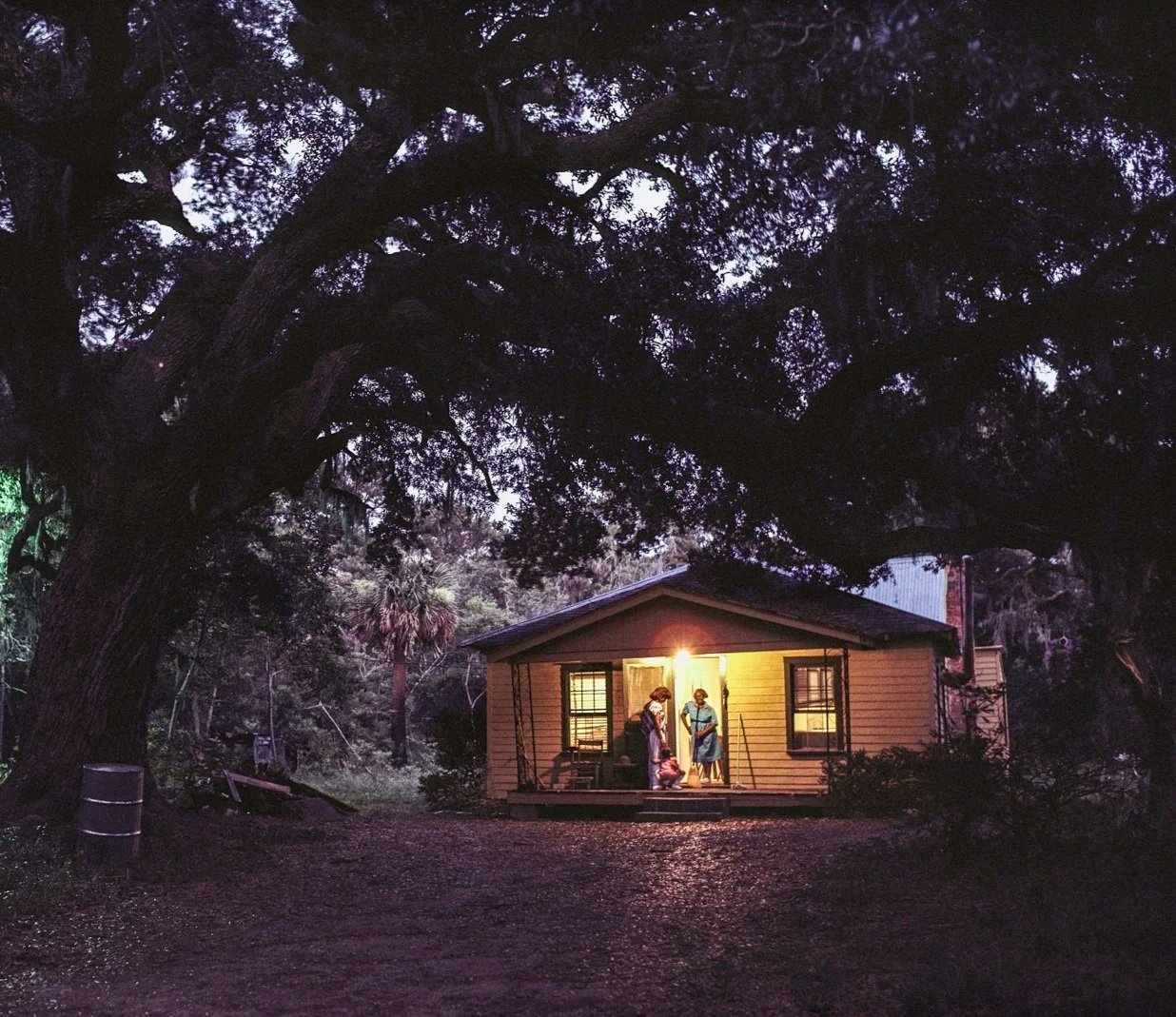
“Sense of place to me is…it is like the perfect phrase to simplify to a young person—home.
What does home mean to you? What does the sound of your home sound like? When the trees are cut down, what is the difference in the sound? When there's a new housing development that comes, what sounds change? What have you lost? What have you gained?”
-
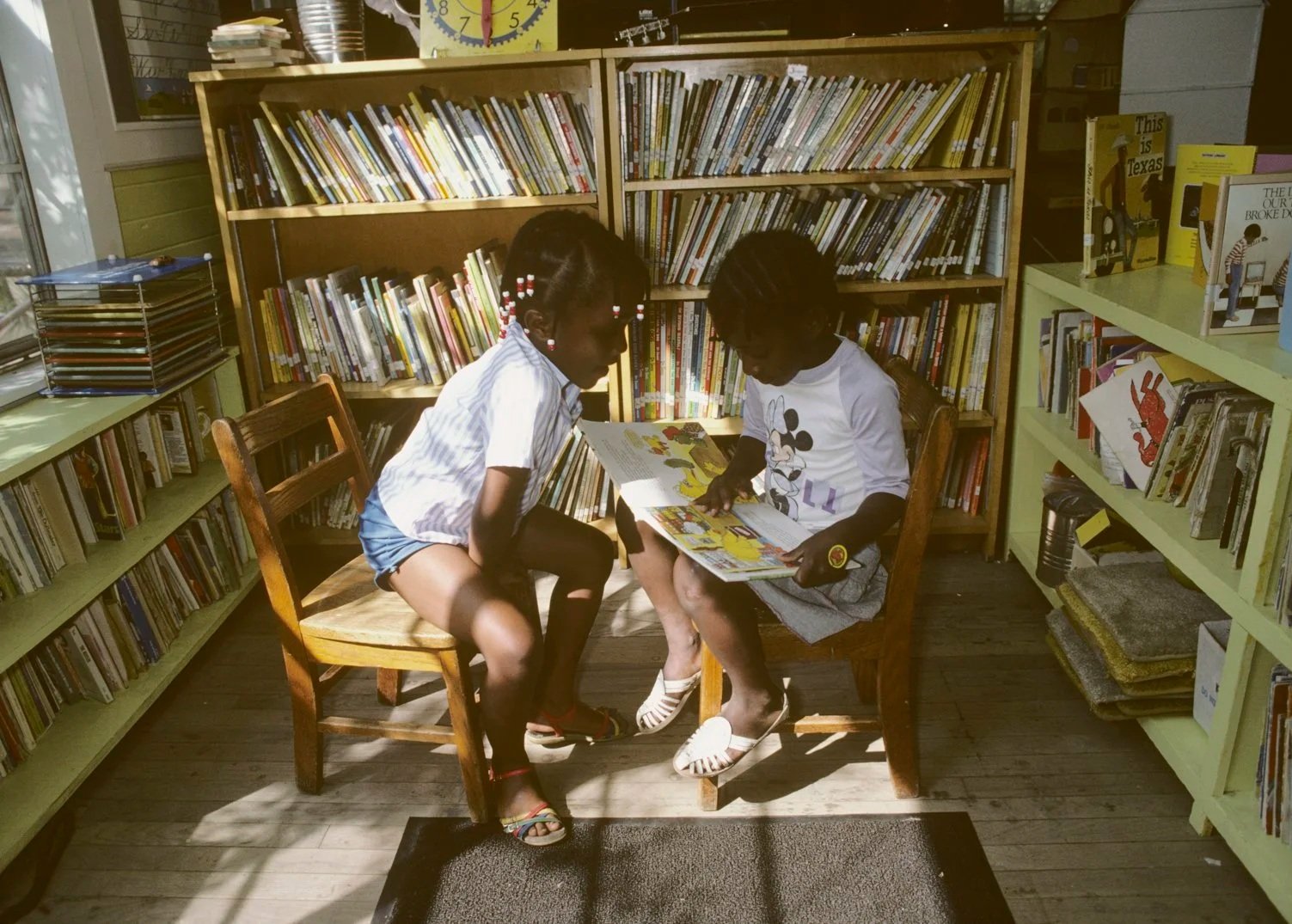
“And so, helping them with the simplicity of sounds, because kids pay attention to everything. And even when you think they're not looking, they are. They're listening. And so if you can get them to tap into, ‘Okay, well when you're riding home today, pay attention to something that you feel like is a new sound or maybe something that you remember from when you were a little younger.’
The sound is still the same.”
-
Songs
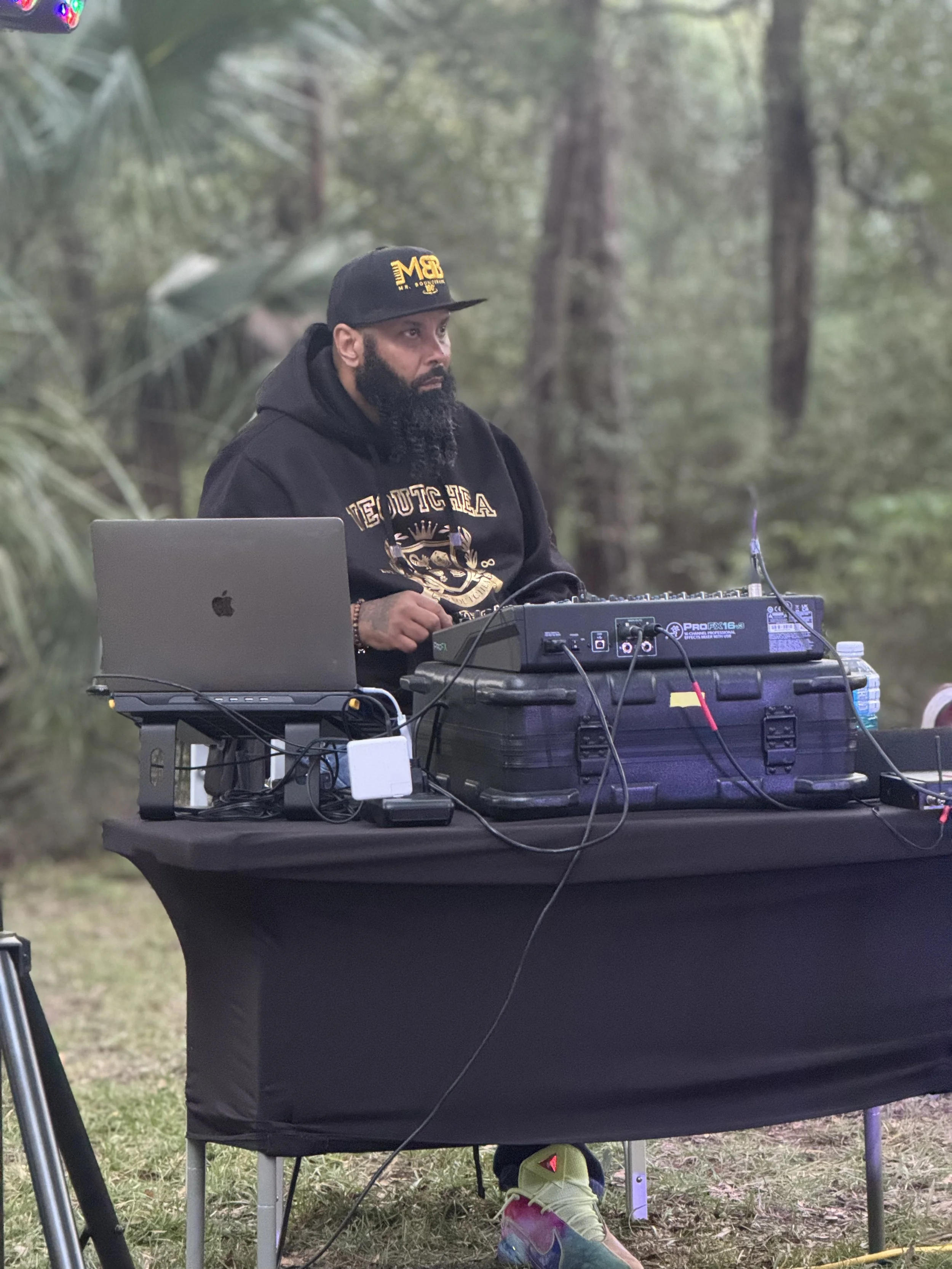
“And taking that and then saying, record some things, right? Record some sounds and bring that back, and share that sound with us.
And then we'll take that sound, and we're going to put it in a song, and then we're going to create a song, and it's going to be y'all’s song right in the classroom.
But also taking them through the process of—you got your idea. What do you do with your idea? Okay, you write down your idea.
And then usually Mr. Bounceback may already have the bones of a song together, but he'll let the young people come in and they will add and finish the composition part of it. And sometimes I'll have the chorus put together, but then give them the option to change it if they want to and come up with something on their own.”
-
Sounds of Home
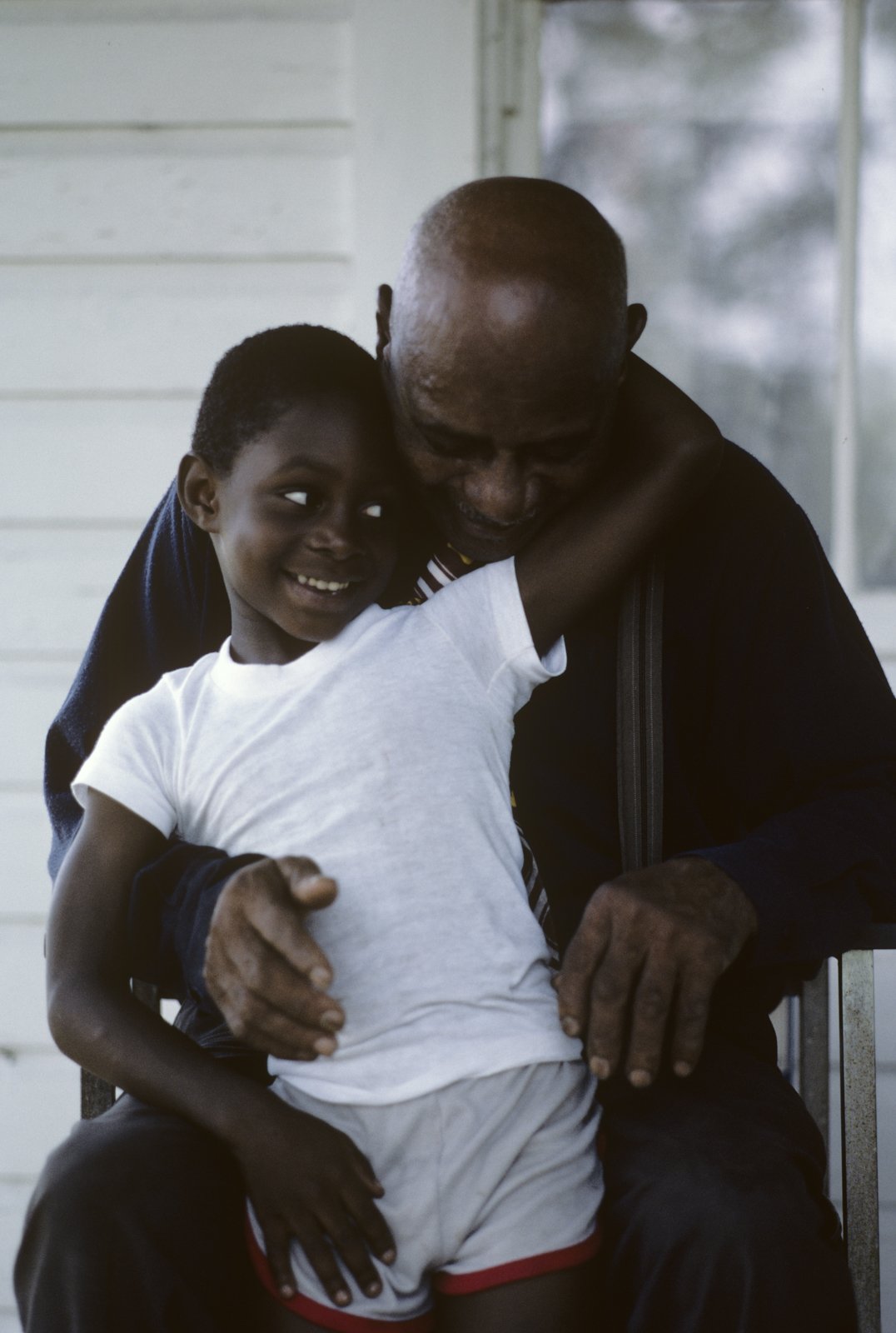
“But we always feed them powerful words. That's the direction we have to stay in.
And so, by the time they finish this project, they're on Spotify and all streaming services. So that's what we do with them now. We go from inception; we create something and their names as writers will stay with the song forever because it's now on all streaming platforms.
So even when you get older, you can go look up your song and share it with your kids and what you learned.”
-
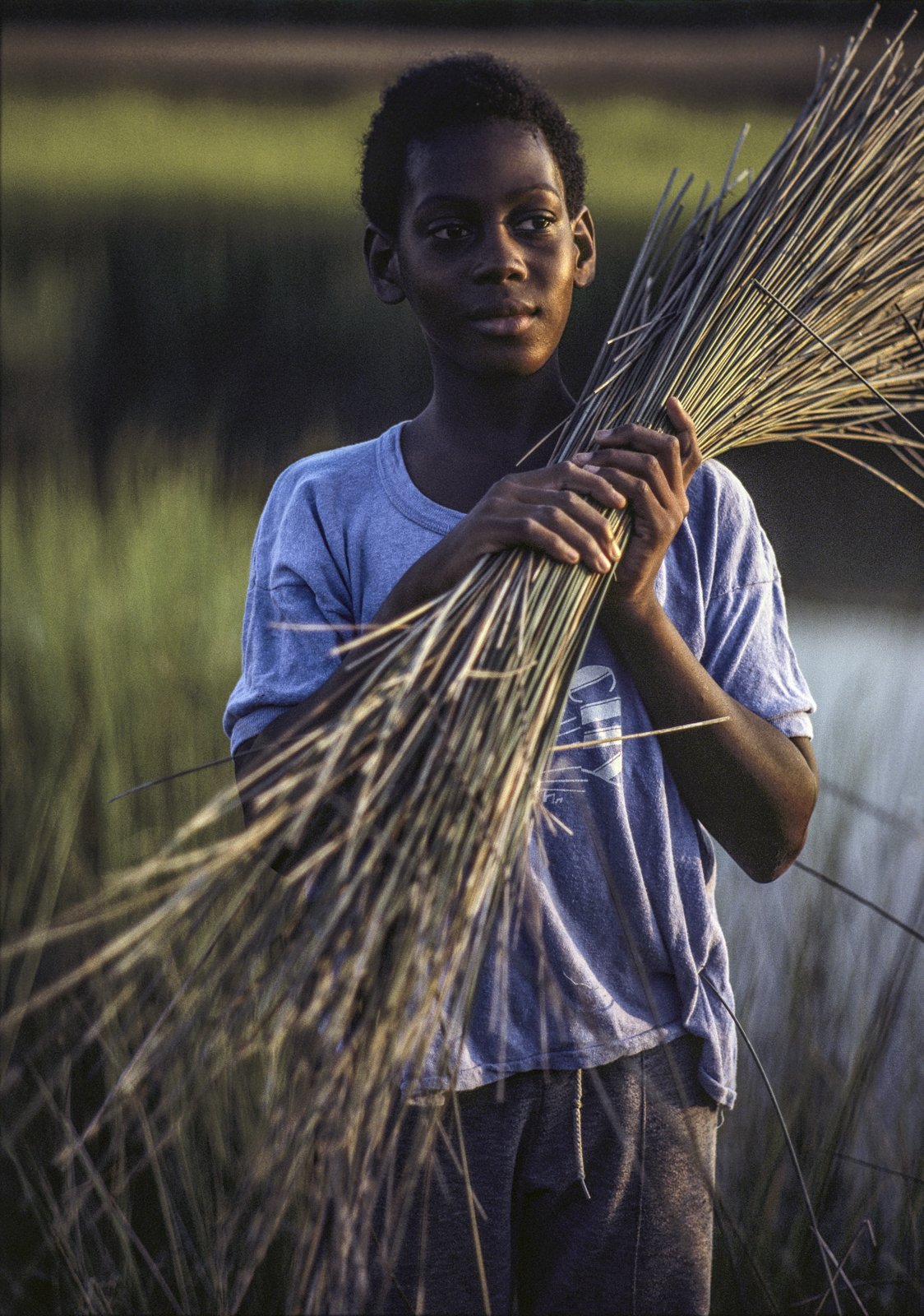
“I think that's the most important way that we can get it to stick in their minds. And also, just the simple way of remembering sounds that are attached to your home, or what you call home.
And that can be the home I grew up in. It can be the home where I am now.
But you remember the basis of what you got from just remembering those sounds of home.”
-Mahoganee Amigér
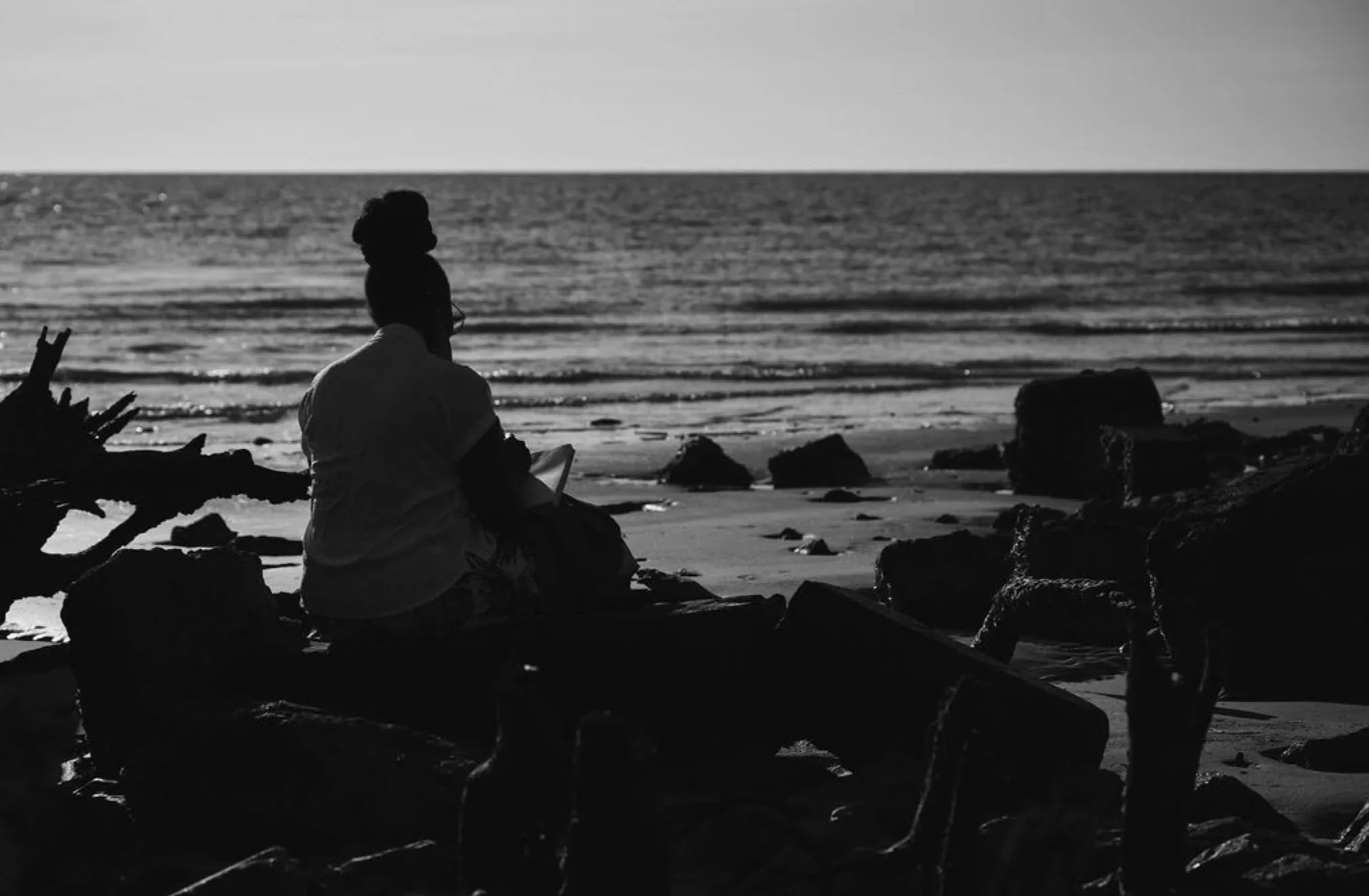
“What does home mean to you?
What does your home sound like?
When the trees are cut down, what is the difference in the sound?
When there's a new housing development that comes, what sounds change?
What have you lost? What have you gained?
-mahoganee amiger
Griffin Lotson — St. Simons Island, GA