An Ecology of Gullah Geechee
Memory Along the Coast
I. Home & Land
Land is often thought of as property or as geography.
Land can be those things, but land is also so much more.
Land is inheritance. It is ancestry, sustenance, community, & even obligation.
Land roots us in the past, the present, & the future.
Speaker Map
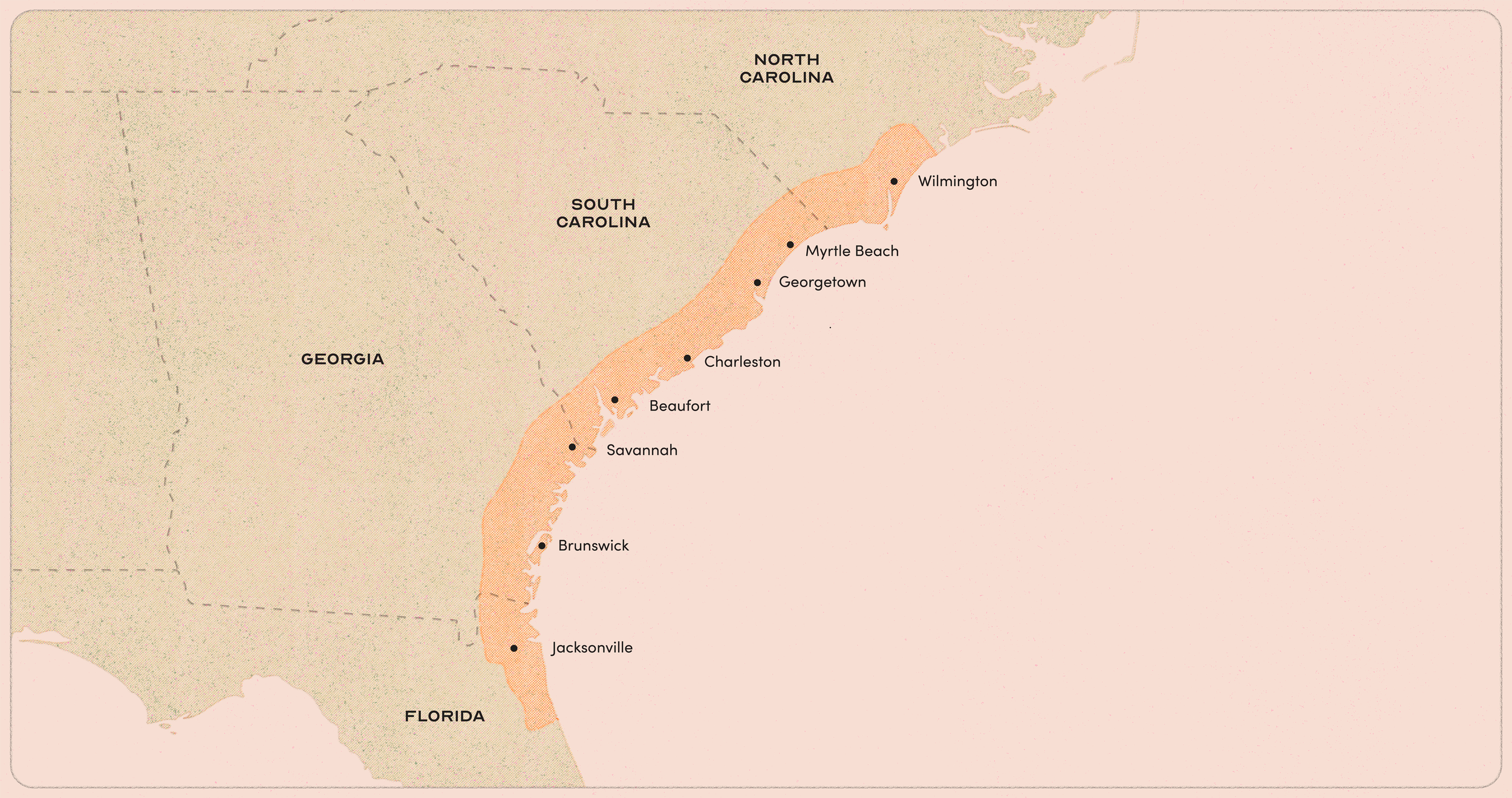
Hover & Click the speaker’s name to explore their story.
Vennie Deas Moore — Georgetown, SC
Rollen Chalmers — Beaufort, SC
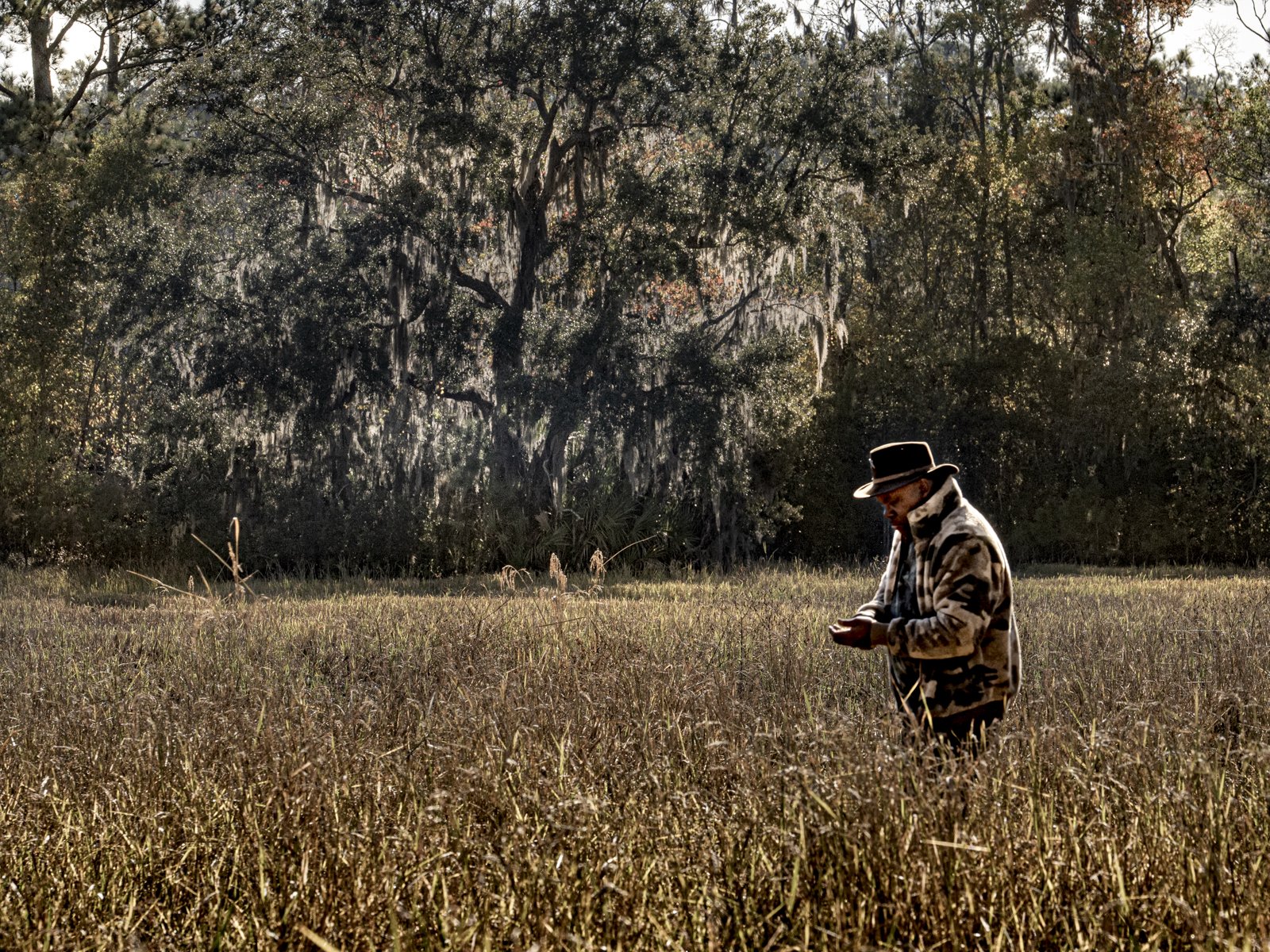
To understand Gullah Geechee culture—past, present and future—you must understand that rice is the foundational catalyst.
-
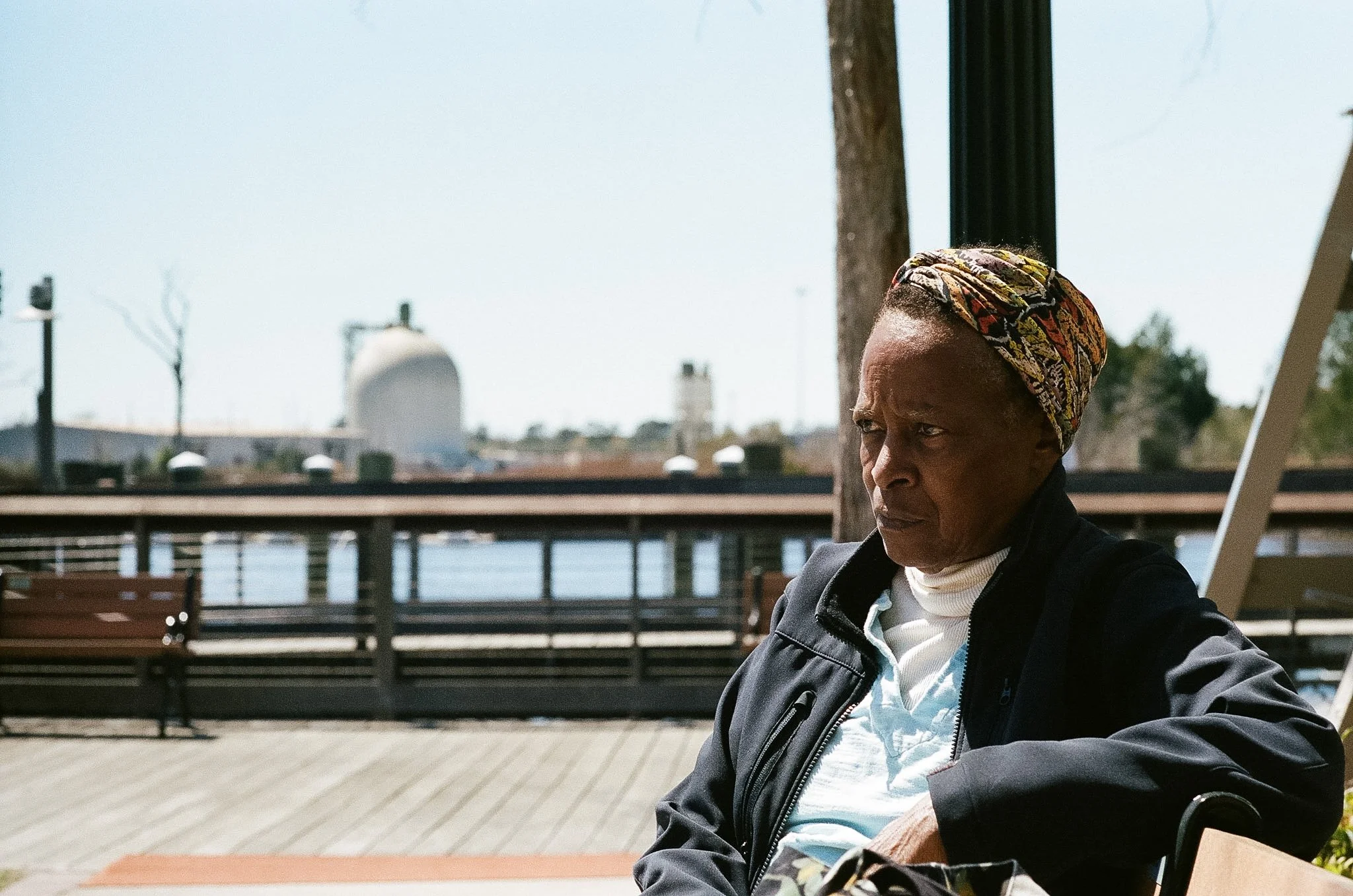
Vennie Deas Moore
Vennie Deas Moore, born in McClellanville, South Carolina, is a Genealogist, Independent Cultural Historian and Folk Arts professional. She has conducted extensive fieldwork across South Carolina, documenting African American traditions and communities and remains a key figure in preserving South Carolina’s cultural heritage through oral history and storytelling. Here, she gives us some background on the connection between Gullah Geechee culture and rice, particularly in Georgetown, South Carolina.
-
“Believe it or not, I don't know about Louisiana, but one of the first settlers here in South Carolina, was French Huguenots. That's how the French get in here. A lot of people don't realize the French are one of the first settlers and one of the first colonists.
But where I'm standing now, the colonists or slave dealers, went and picked up West African rice growers. That's my study. Which we are Creole, but everybody is not rice growers. We’re the only rice growers because you got to be able to do rice. And when they pull the people out of West Africa, they're going into the delta like we have. Another place with deltas is actually Louisiana.”
-
From The Grain Coast to Georgetown
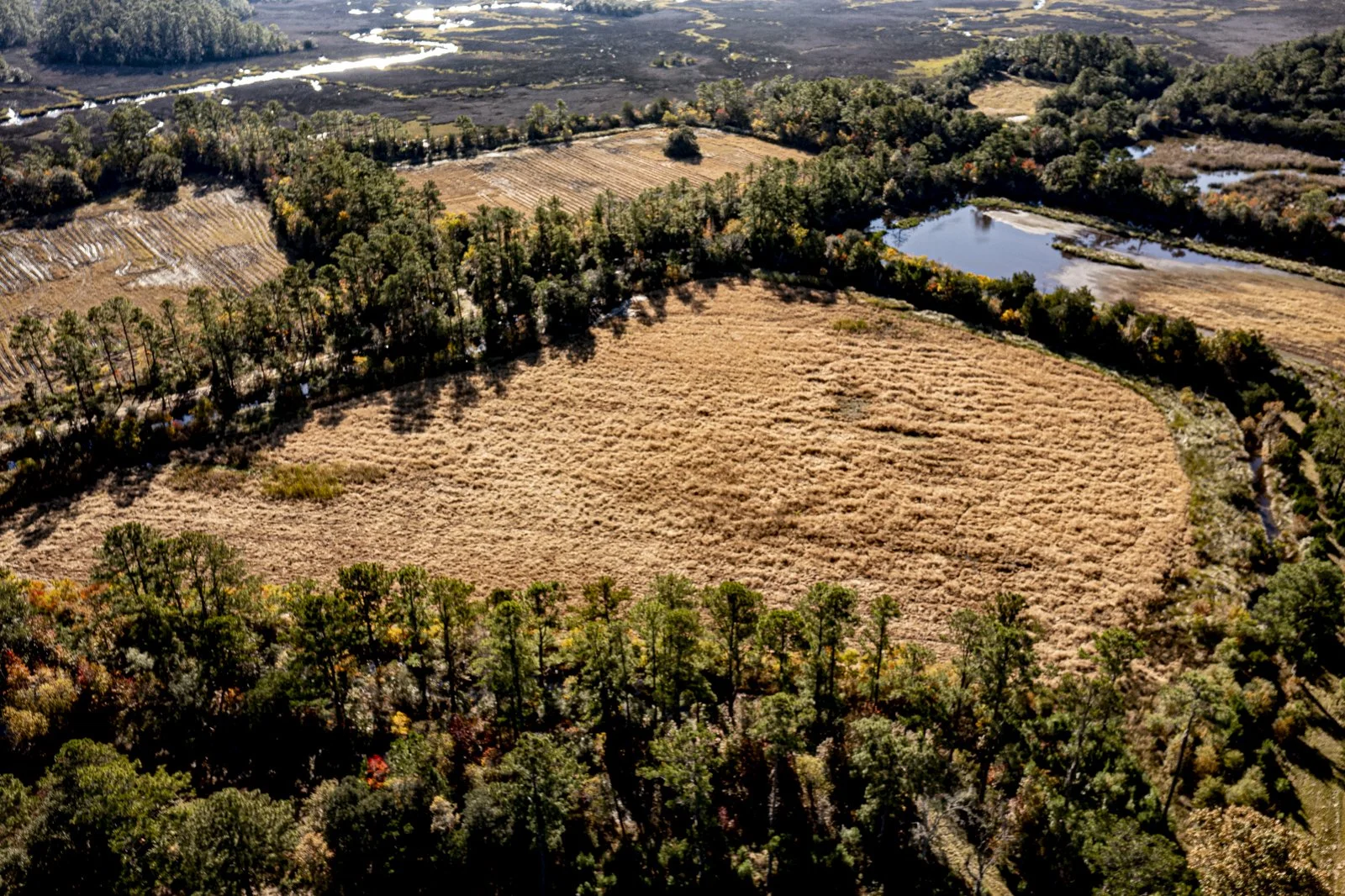
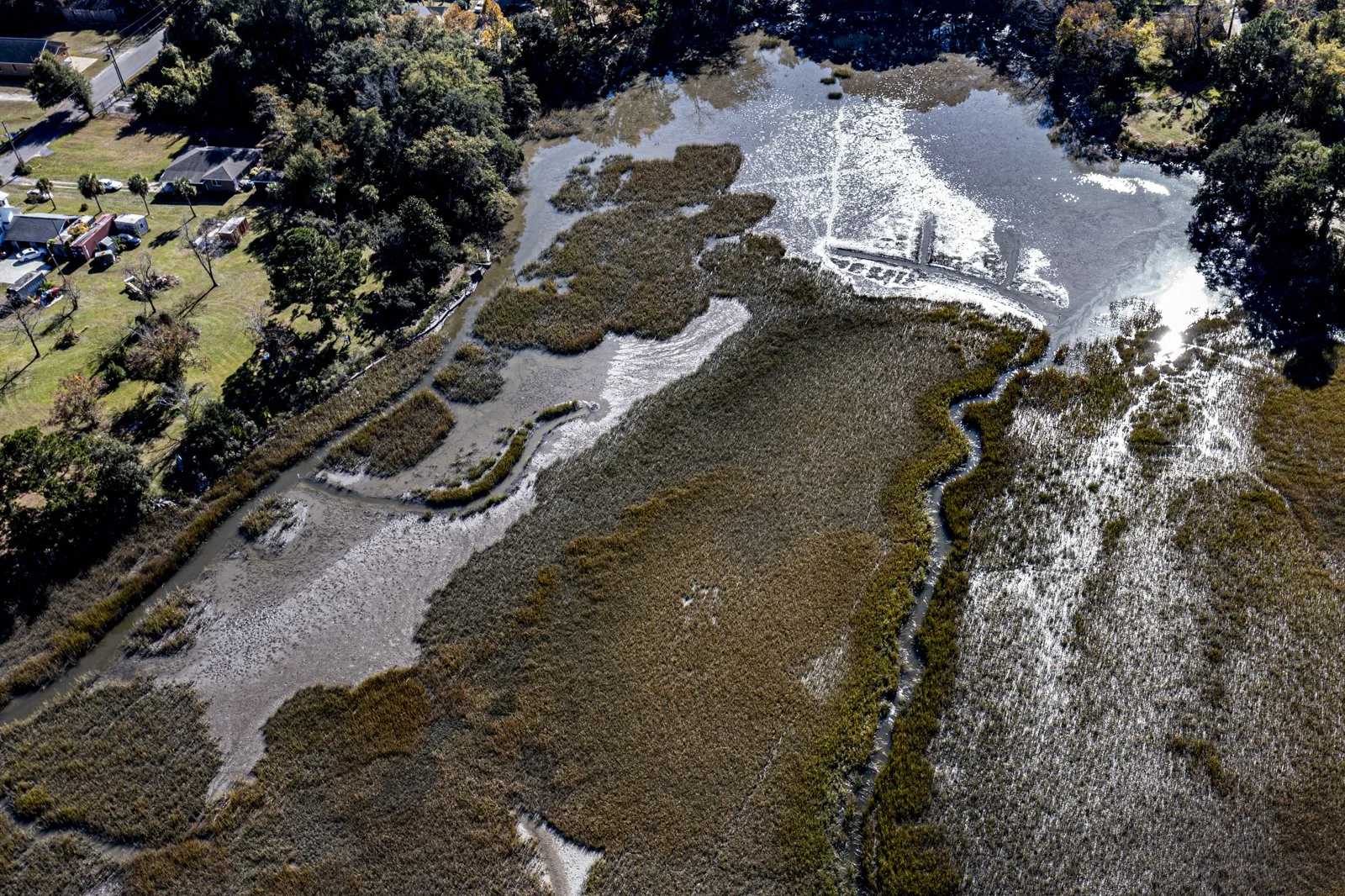
Georgetown, South Carolina is a region defined by perhaps the largest river delta on the East Coast, the Santee River Delta. This central feature contributed greatly to the prolific rice production in Georgetown during the 19th Century. By 1840, Georgetown was producing one-half of the entire US rice crop by itself and was host to the largest rice-exporting port in the world.
“So you're not going to grow this kind of rice if you ain't got no dang delta.
You’ve got the delta in West Africa… but let’s focus on where we are here. I can only speak about people coming here—right here where I’m standing. They basically said, “Oh my God—in the Grain Coast of West Africa, these people grow rice. Let’s pick those suckers up and start off a good business to make us millions.”
-
“So they go to the Grain Coast of West Africa, and this was the biggest haul of enslaved people. From day one, these people got here, they brought their skills, and their rice grains came with them.
These people—the French or other Europeans—had no dang clue how to grow rice. They didn’t even have the grain. They not only brought the rice that made the millions, but also knew how to engineer the rice fields.
Because the rice fields weren't here by the way, only cypress swamps. They had to pull all the cypress out and design—civil engineer—the rice fields. They did it. It wasn't like that [before]. It was nothing but cypress swamp.”
-Vennie Deas Moore
-
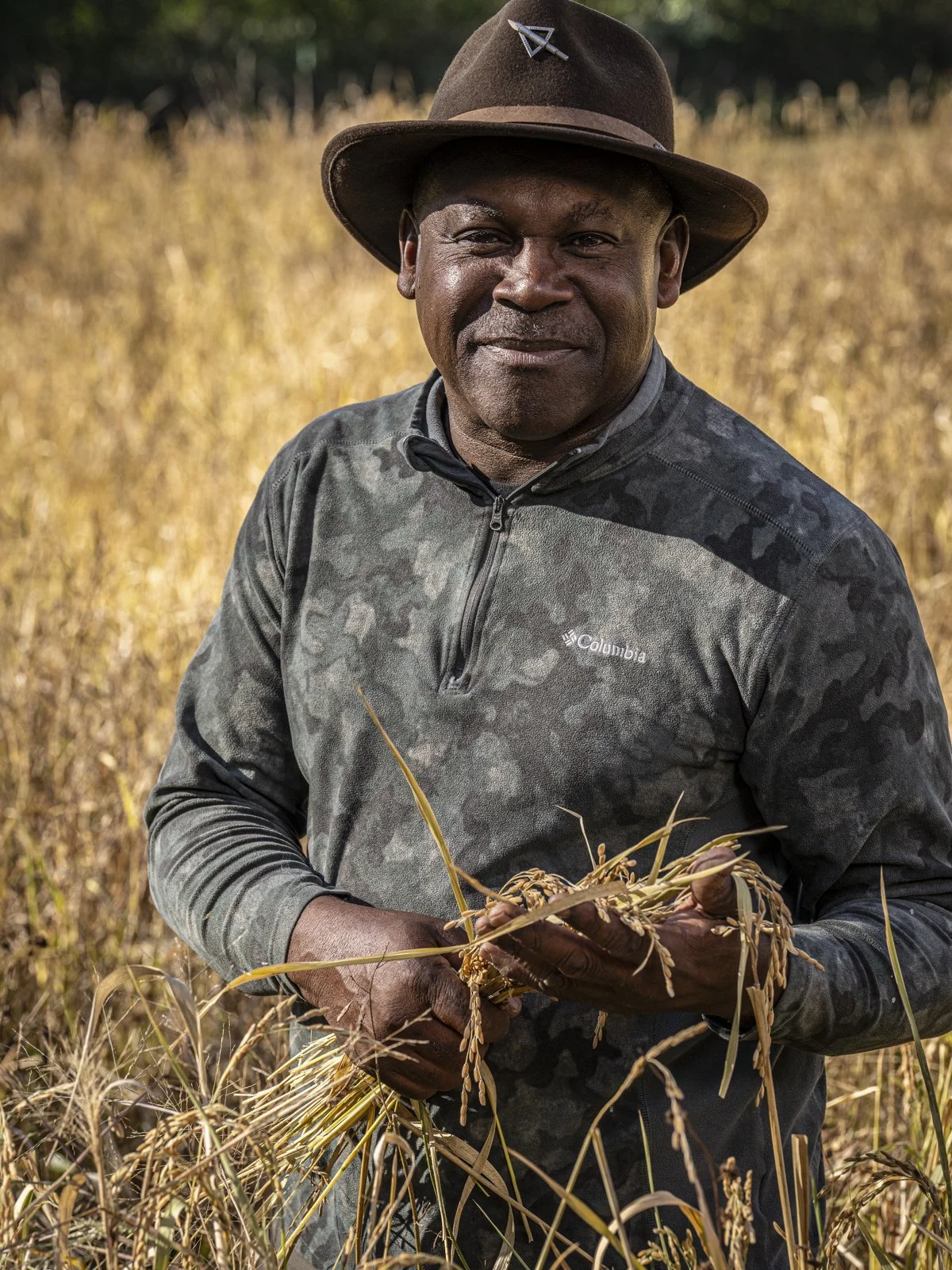
Rollen Chalmers
Rice and its cultivation is a large part of the Gullah Geechee past. In fact, many folks will tell you that to understand Gullah/Geechee cultural origins, you have to look at the rice. While all of this is true, for some, rice is very much a part of the Gullah/Geechee present and future as well.
“I'm Rollen Chalmers. Marian Rollen Chalmers. I'm a local rice grower. Started growing rice over 20 years ago in research with Glen Roberts of Anson Mills. Glenn and I started all back up again at Turnbridge, where that was the rebirth of the Carolina Gold by Dr. Richard Oke Sr. And we're still growing rice right now at Turnbridge. That's where I grow all the rice that goes through our store, the store and online. I've been growing rice for a long time and we have some of the best Carolina Gold rice around.”
-
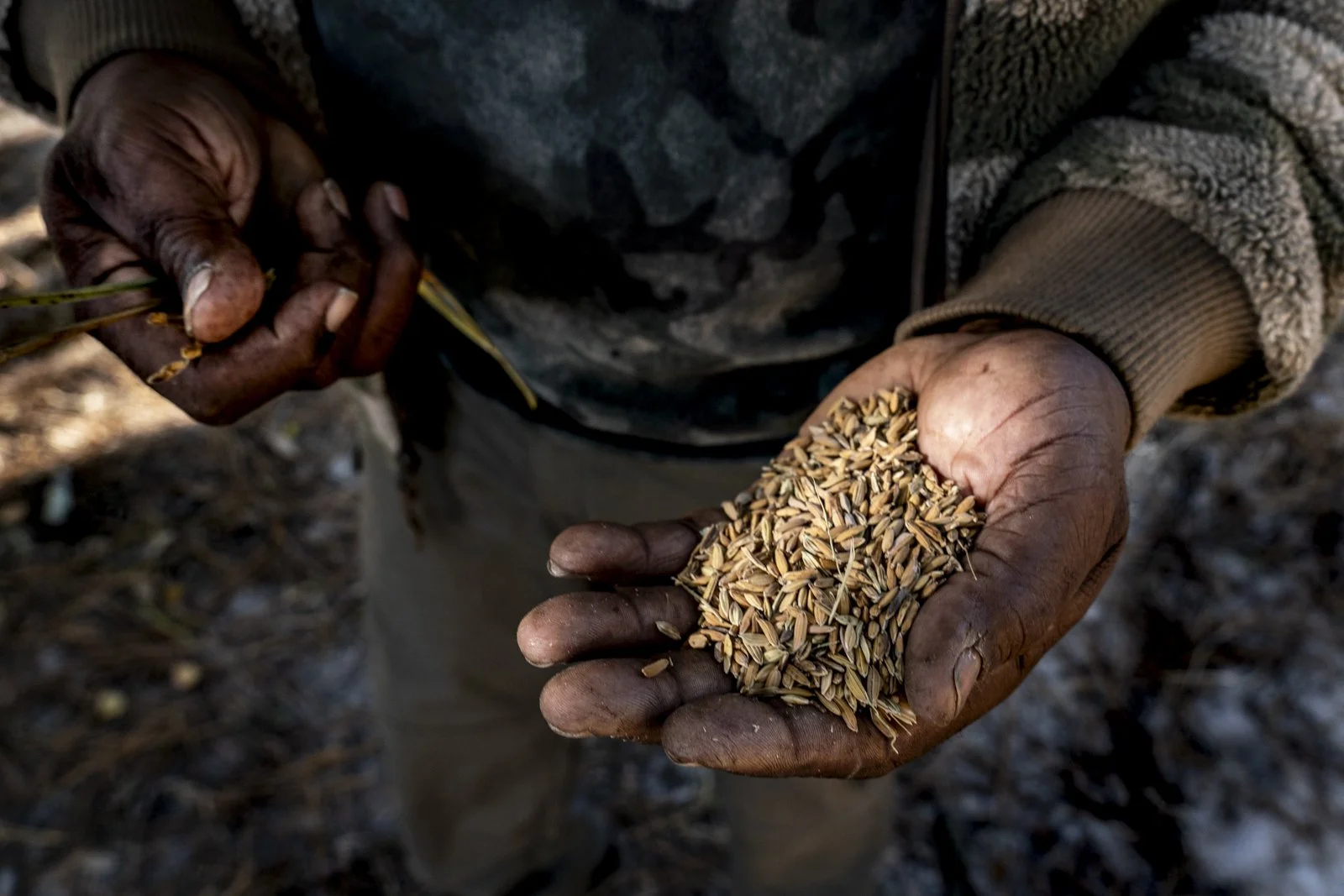
Grains of Heritage
Rollen grew Carolina Gold Rice on Daufuskie Island, South Carolina. It was the first time rice had been grown there in over 100 years. One of Rollen's contributions to spreading the knowledge to others is his creation of a Carolina Gold Rice field at the University of Georgia Center for Research and Education at the Wormsloe Plantation in Savannah, Georgia.
“It's almost a full circle for me. My great great grandparents was enslaved by a family in Palmetto Bluff. And they grew rice—my great great grandparents grew rice, my great great grandfather. And after slavery had ended, he had moved out of Palmetto Bluff, the plantation that he worked for, the coal family in there (and he was enslaved by them). He moved out and started growing rice for himself. And he was actually selling the rice. And here I am here in the 21st century, I'm doing the same thing.”
-Rollen Chalmers
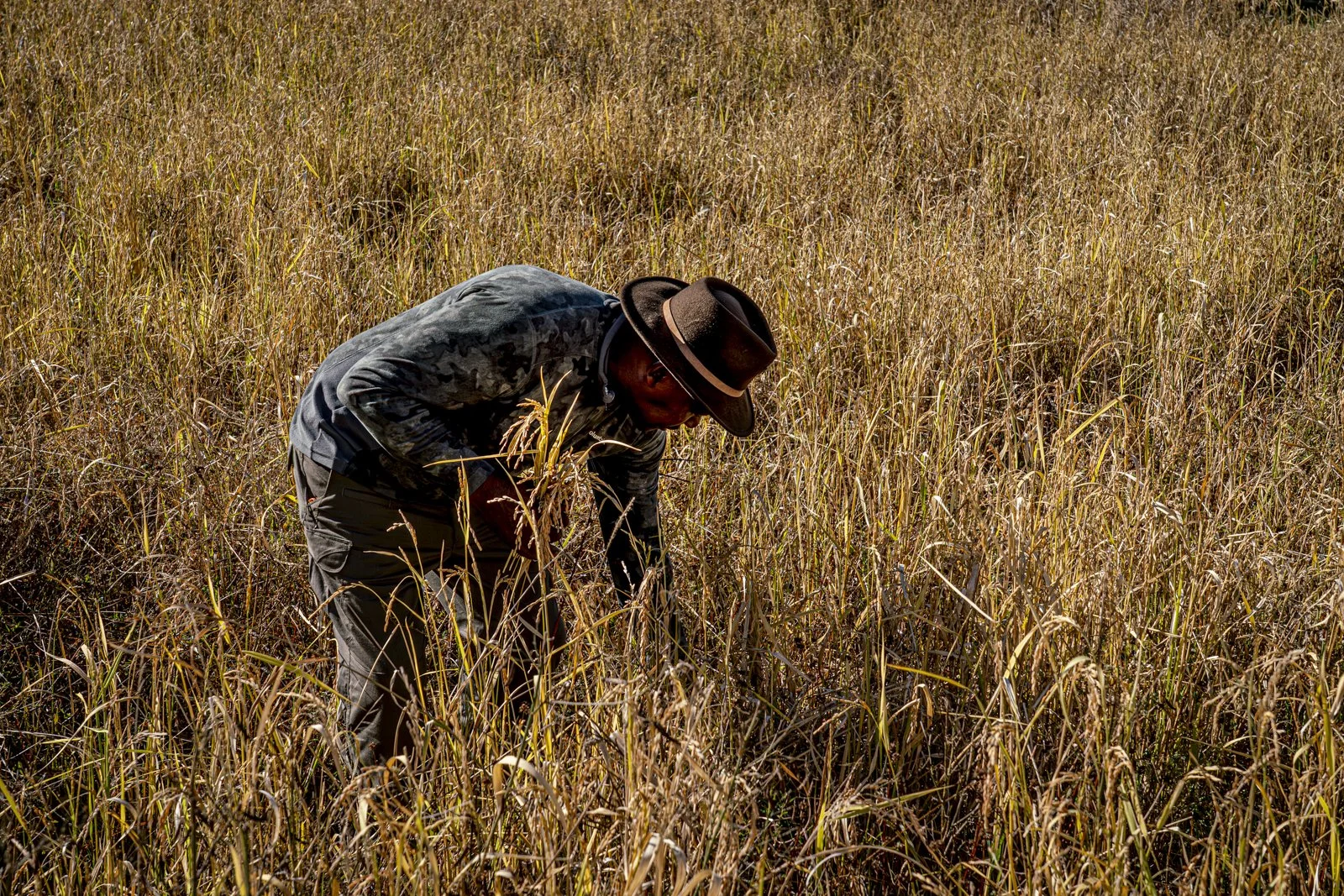
“It's almost like to know where you came from in growing rice…It's just good food that you are growing and to keep it going with our history of slavery and everything that came from this rice.”
-Rollen Chalmers
Tia Clark — Charleston, SC