An Ecology of Gullah Geechee
Memory Along the Coast
III. Water & Work
Often implicit in the use of terms such as “environment” and “natural world” is a distance, a disconnection between those concepts and the human experience.
The idea that the environment and the natural world are “out there” somewhere, disconnected from our day-to-day lives.
What if we paused to consider the inseparability or even the reciprocal relationships that exist between us humans and the natural world?
For Gullah Geechee folks, this understanding is innate; it is a relationship baked into language, traditions, practices, and foodways.
To protect the people is to protect the environment. To know the environment is to know oneself.
Speaker Map
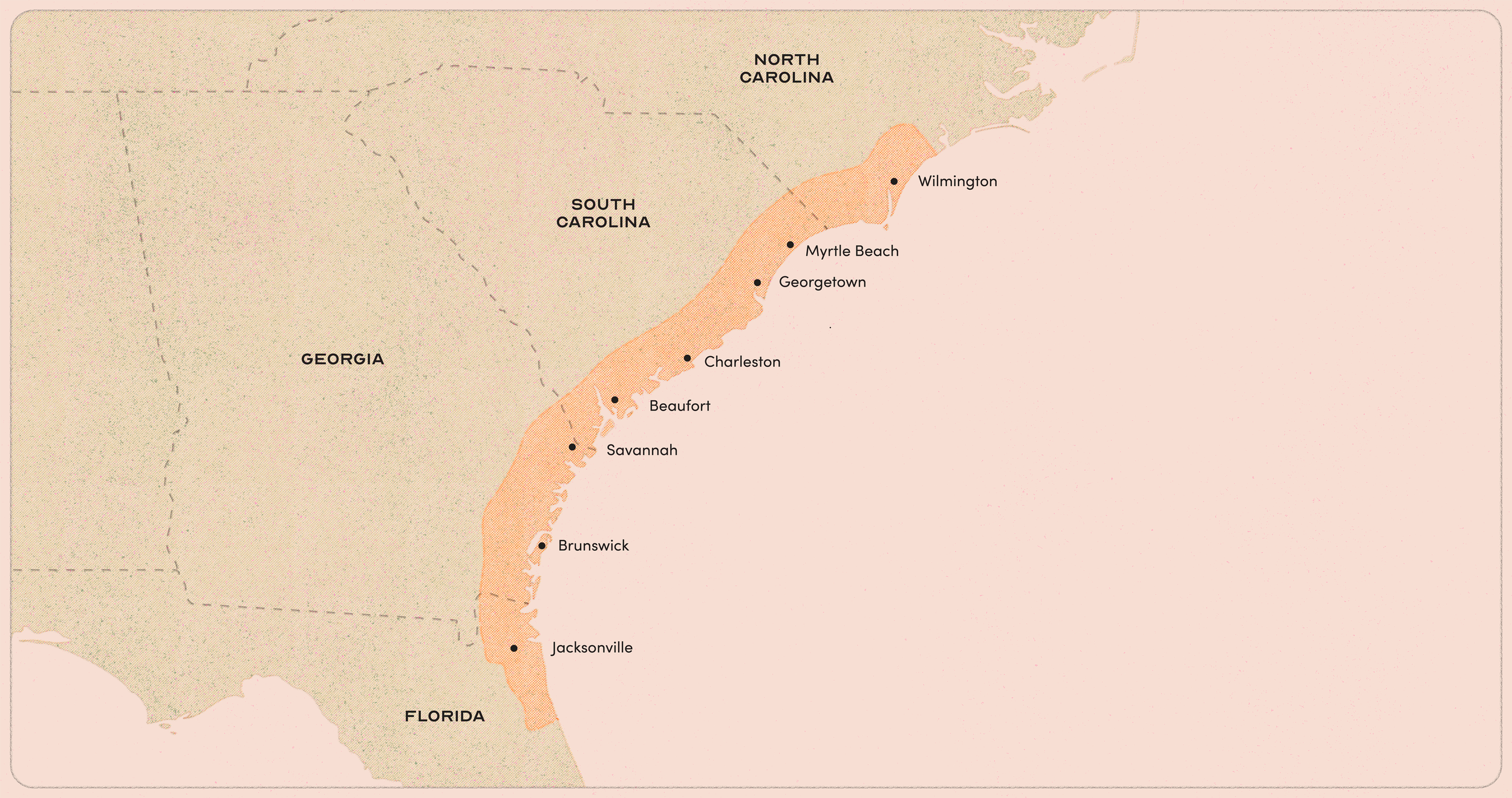
Hover & Click the speaker’s name to explore their story.
John Carr — Charleston, SC
Andrea Cayetano-Jefferson — Mount Pleasant, SC
Frank Kidd, Jr. — Bluffton, SC
-
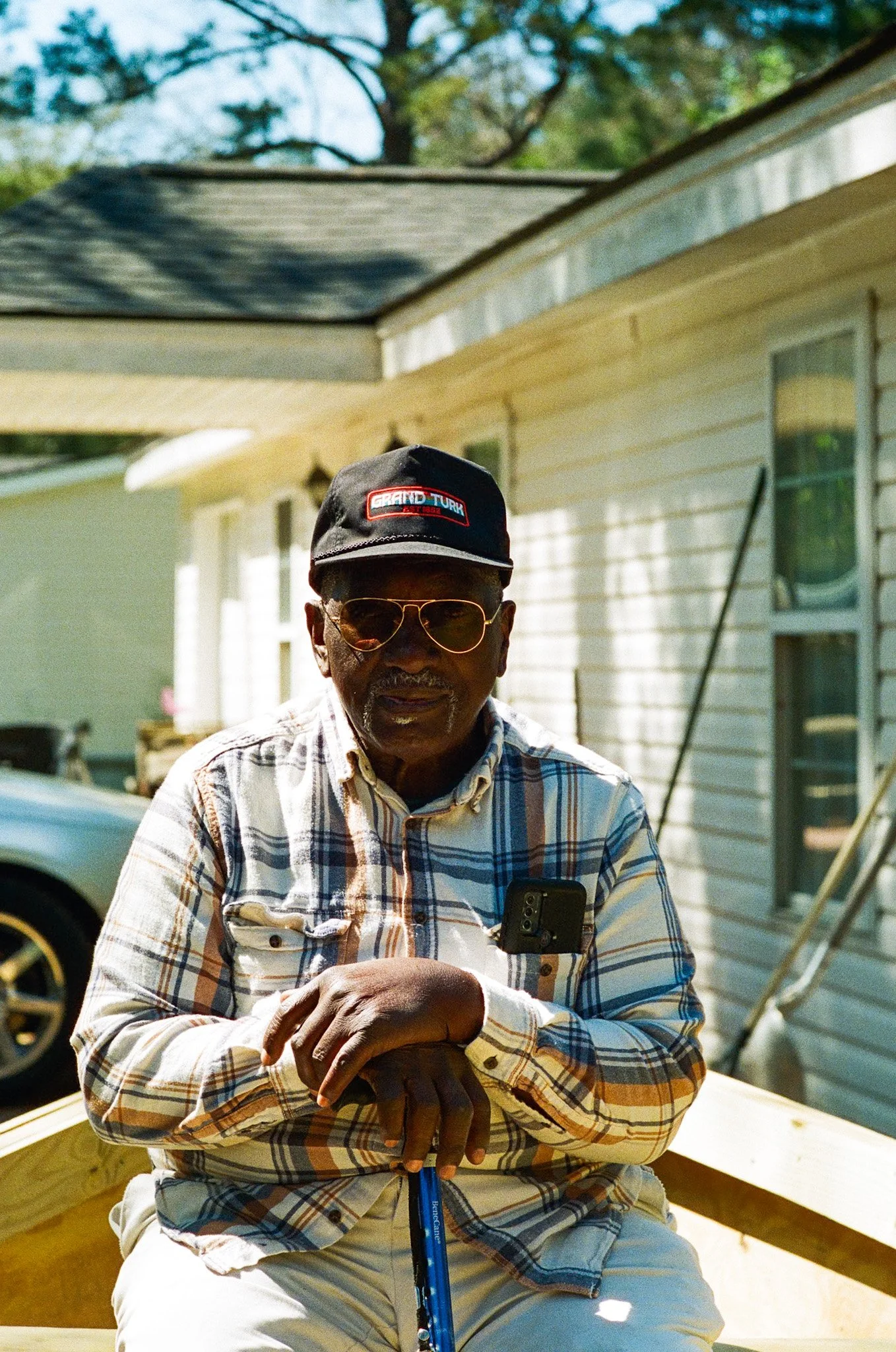
Frank Kidd, Jr.
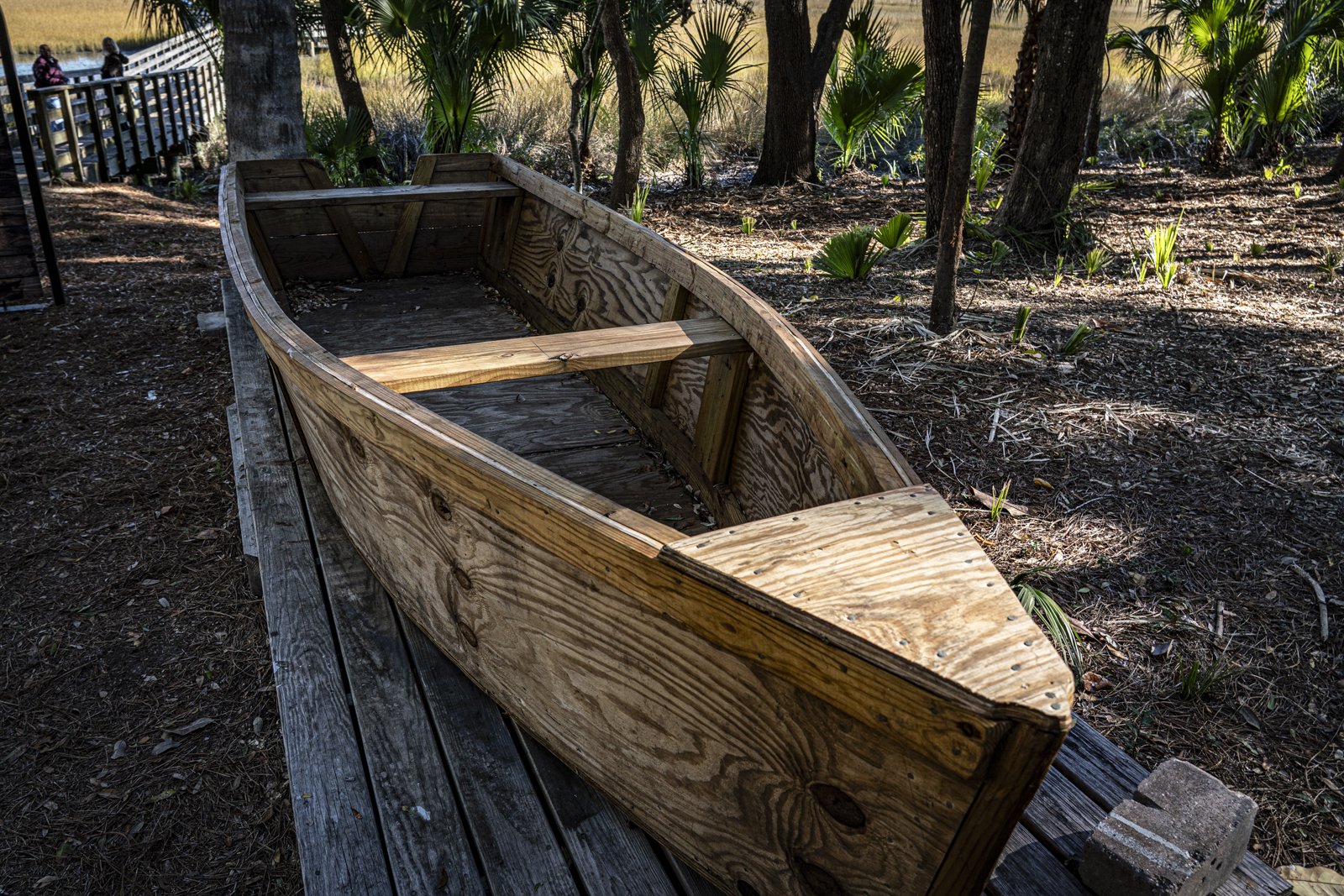
While not exclusive to Gullah Geechee culture, the crafting bateau boat is one of the core cultural skills that has been passed down from generation to generation. The boat is essential to the water-human connection in a coastal environment defined by marshes and shallow tidal creeks—originally a key mode of transportation between islands, the bateau was and continues to be used for fishing, crabbing, and harvesting oysters.
Perhaps no Gullah Geechee man living knows the bateau as well as Frank Kidd, Jr. does. A craft he has fully committed to memory, here, he tells us how he learned the craft through trial and error. -
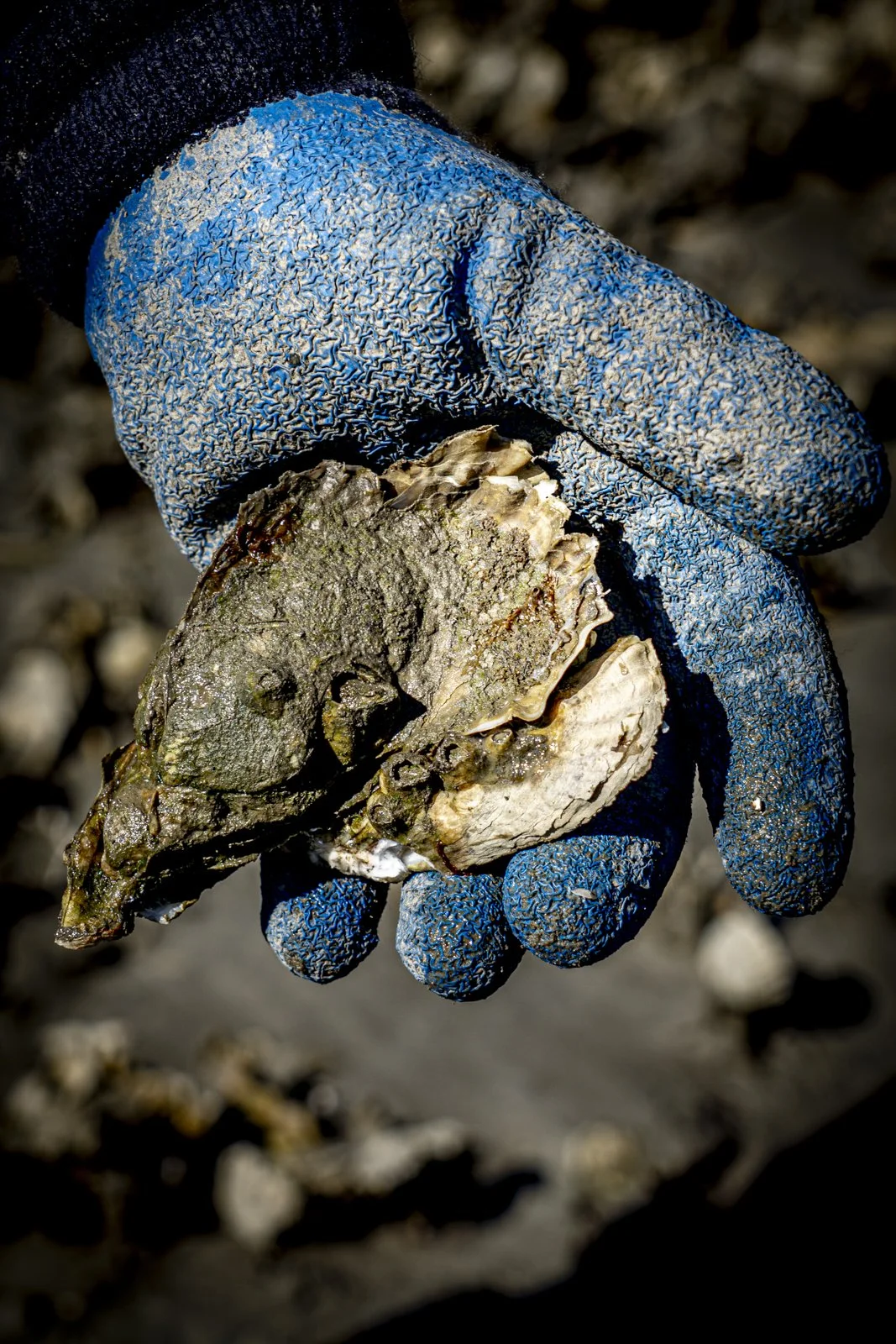
“I worked down there, doing oyster. I did that a little bit before going in the river with my grandfather, and I come back and start doing oyster. I did that with my uncle, and mainly that's how I got started because he didn't have a boat for me to go out there in.
And he said to me then, ‘Well, make one!’ I said, ‘I don't know how to make no boat!’ So, he said, ‘Man, them boats cost a lot of money to get to somebody—you could build one just to pick oyster in.’
“He said, ‘I'll buy the lumber.’”
-
Self-Taught Bateau Maker
“I remember I went round there one Saturday and took my tape measure and I measure how wide the boat was and looked at it, and made everything.
The first one I made, it float, but it wasn't pretty.
Then the second one I did was better, and by the time I did the third one, it looked like that one right there.
And I never put it on paper. When my son came from New York to help me, he said, 'Where’s your blueprint?’
I said, 'In the boat.’”
-
Respect the Water
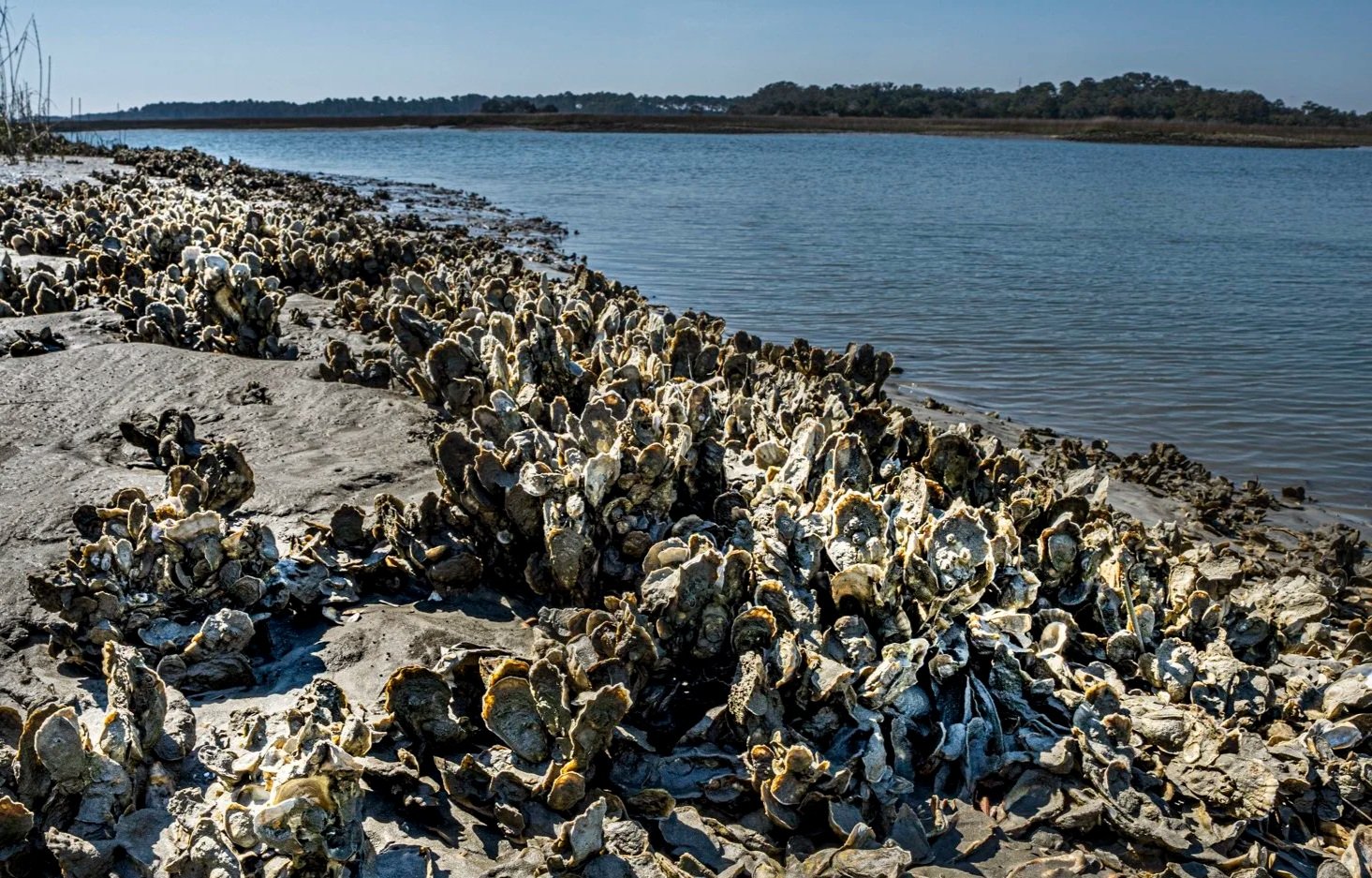
“Well, the water is nice, but you've got to respect the water.
It can be the calmest and the sweetest place you want to be, and it can be the worst place that you could be. But all you got to do is obey.
If they give you the siren, or the warning come on, well there going to be a front coming in. Wind about 25, 30 miles an hour. So, small craft warning. You should go in harbor.
But some people don't obey, don't make it back.”